In 2025, managing money efficiently has become a priority for millions of Americans. While digital banking offers speed, accessibility, and innovation, it also hides certain expenses that often go unnoticed. Understanding and cutting hidden costs in bank accounts and digital cards in the U.S. is one of the most effective ways to improve financial health and keep more money in your pocket.
These small, recurring fees ranging from overdraft penalties to transfer charges may seem insignificant at first but can accumulate to hundreds of dollars each year. Learning how to identify, track, and eliminate them helps consumers gain control over their finances and avoid paying for unnecessary services.
Understanding the True Cost of Digital Banking
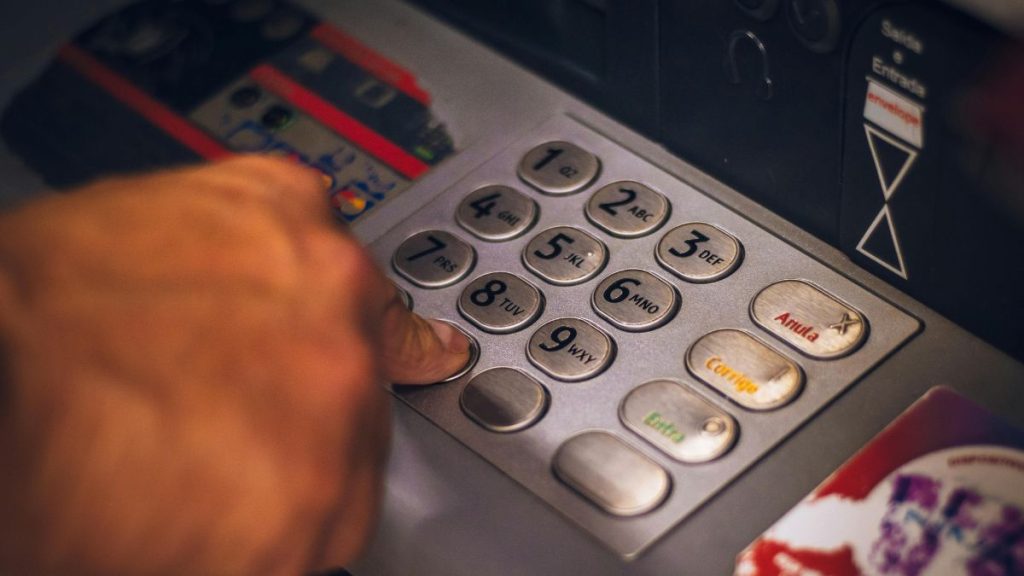
The shift toward online banking has transformed convenience into a necessity. Yet many users still underestimate the subtle expenses attached to their accounts. Institutions often include monthly maintenance fees.
Even digital-only platforms, known for low overhead costs, may include premium fees for express transfers or certain features. Reading fee schedules carefully before opening an account is the best way to avoid surprises and choose financial products that truly match your lifestyle.
Common Hidden Fees and How to Avoid Them
Hidden costs often appear in routine transactions ATM withdrawals, foreign exchanges, or overdrafts. These fees might seem small individually but add up quickly. Monitoring transaction histories and monthly statements is a simple yet powerful tool for cutting hidden costs in bank accounts and digital cards in the U.S. before they escalate.
Switching to banks that offer transparent pricing or no-fee policies is another smart move. Many fintech companies now provide competitive services with lower charges and clearer terms, giving users better alternatives than traditional institutions.
Smart Strategies for 2025
To minimize hidden financial losses, consider these strategies:
- Use budgeting apps that identify recurring fees automatically.
- Opt for banks that reimburse out-of-network ATM charges.
- Review and update your account settings every quarter.
- Avoid international transactions on cards that charge conversion fees.
- Contact your bank to negotiate fee waivers or loyalty discounts.
These actions may seem small individually but collectively lead to meaningful, long-term savings.
Pros and Cons of Digital Banking Platforms
| Pros | Cons |
|---|---|
| Fast and convenient money management | May include service or transfer fees |
| Encourages cashless, modern transactions | Customer support can be limited |
| Often offers competitive interest rates | Relies heavily on internet access |
| By balancing these advantages and drawbacks, users can make smarter decisions when selecting financial institutions. Awareness is the key to staying in control of your digital finances. |
The Role of Technology in Reducing Hidden Costs
Modern financial tools have become essential allies in cutting hidden costs in bank accounts and digital cards in the U.S.. Artificial intelligence and machine learning are now integrated into apps that track expenses, detect unusual charges, and suggest cheaper alternatives in real time.
Comparison platforms also empower consumers to evaluate fees side by side before committing to a new account. This transparency gives users the confidence to choose services that align with their financial goals and spending habits.
Looking Ahead: Smarter Financial Awareness
As the financial landscape continues to digitize, cutting hidden costs in bank accounts and digital cards in the U.S. will remain a core part of financial literacy. The most successful consumers are those who monitor accounts regularly, understand terms clearly, and question unnecessary fees.
Ultimately, financial empowerment begins with awareness. By staying informed and leveraging technology wisely, Americans can protect their income and make sure that every dollar serves a purpose. Transparent banking isn’t just a convenience—it’s the foundation of financial freedom in 2025.
