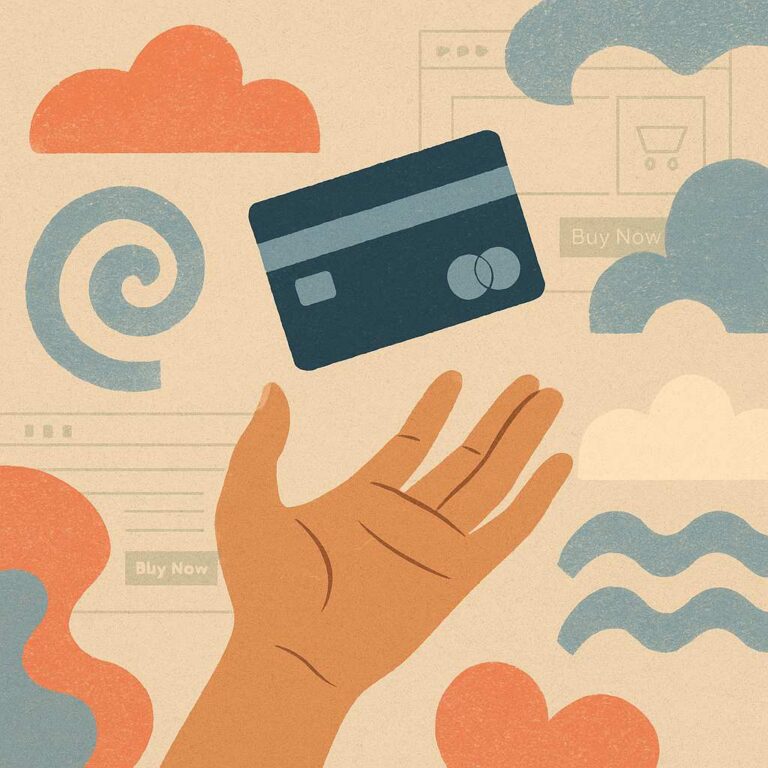
In a world where a single click can lead to a full shopping cart, impulse spending has become a major challenge for financial stability. Social media, digital marketplaces, and one-click purchases make it incredibly easy to spend without thinking twice. That little dopamine hit after ordering something new often disguises deeper emotional triggers, like stress, boredom, or even loneliness.
This article aims to help readers understand the emotional roots of impulsive shopping, recognize patterns in their own behavior, and learn effective ways to regain control. The goal is not to eliminate joy from purchases, but to ensure each spending choice aligns with your true financial goals—not just fleeting emotions.
Understanding emotional triggers behind purchases
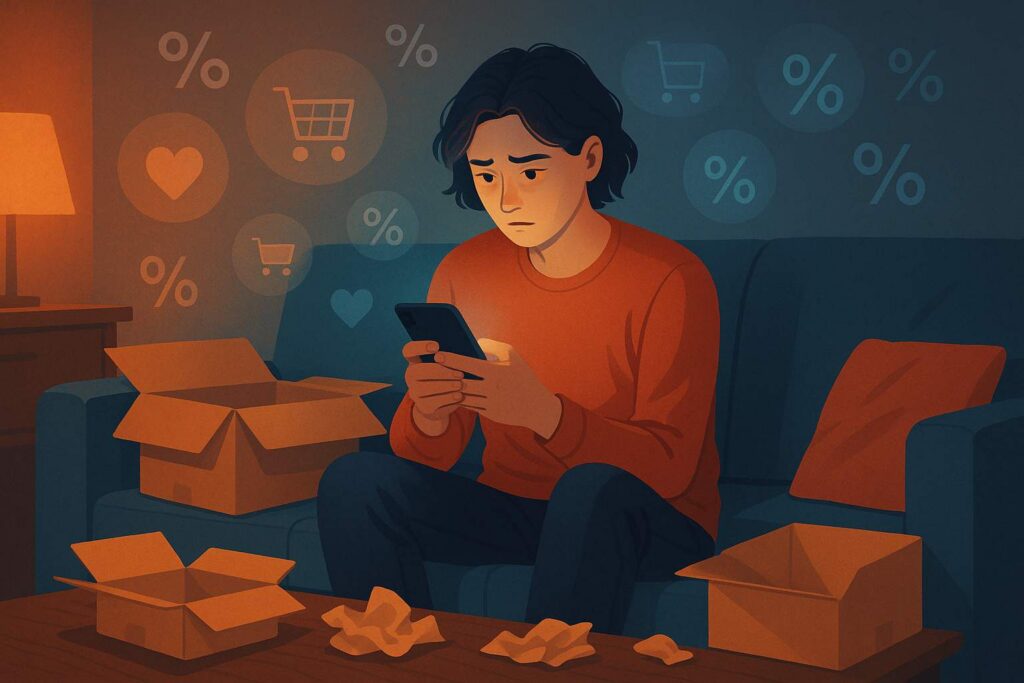
Most impulsive purchases aren’t about the product itself—they’re about how we feel in the moment. When emotions run high, logic tends to take a back seat. Whether you’re celebrating, feeling anxious, or simply trying to escape a dull moment, shopping can become a quick fix. This behavior is reinforced by algorithms designed to show you exactly what you didn’t know you wanted.
Research suggests that emotional spending often spikes during times of personal or economic uncertainty. For example, a 2023 survey by NerdWallet found that nearly 45% of Americans made emotional purchases during periods of stress, especially related to job insecurity or family concerns. The connection between mental well-being and financial behavior is undeniable.
How brands fuel emotional buying
Brands are not just selling products—they’re selling feelings. Clever marketing taps into your aspirations, fears, and even your identity. “Treat yourself,” “You deserve this,” and “Fear of missing out” are all phrases engineered to trigger emotional decisions. The rise of influencers and targeted ads adds another layer of pressure, subtly encouraging you to measure happiness by what you own.
A common example is limited-time offers or countdown timers that create urgency. Suddenly, you feel like you’ll miss out if you don’t act fast—even if you didn’t need the item five minutes ago. Recognizing these psychological tactics is the first step toward making more grounded decisions.
Building healthier financial habits
Overcoming emotional spending starts with awareness. Start tracking not just what you buy, but also how you feel before and after the purchase. You may begin to notice patterns—like shopping late at night or during moments of frustration. Once you’re aware of these habits, you can develop strategies to interrupt them.
One helpful technique is implementing a “cooling-off” period. Before making any non-essential purchase, give yourself 24 hours to think it over. If the desire fades, it was likely emotionally driven. Another tip is to set financial boundaries, such as weekly spending caps or using only prepaid cards for discretionary buys. These guardrails help limit the damage while you build better habits.
Practical tools to stay on track
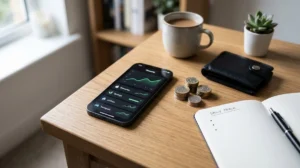
Technology can also become your ally. Budgeting apps like YNAB, Mint, or PocketGuard allow you to categorize purchases and flag unnecessary spending. Some banks even offer built-in tools that track emotional triggers or let you set custom alerts when spending rises in certain categories.
Mindfulness practices are surprisingly effective too. Taking a few deep breaths, journaling, or going for a walk before making a purchase can shift your mindset and offer clarity. These small habits can gradually rewire how you respond to emotional urges.
Choose intention over reaction
Impulse spending may feel harmless in the moment, but over time, it can lead to financial regret and stress. By recognizing emotional triggers, learning how marketing plays on your feelings, and adopting mindful habits, you can take back control.
Ultimately, it’s not about denying yourself—it’s about choosing with intention rather than reacting on a whim. A healthier relationship with money begins with self-awareness. When you understand the “why” behind your spending, you give yourself the power to align your purchases with your long-term goals and true needs.