

Practical strategies for saving money in supermarkets in the US have become essential as households face rising food prices. Consumers across the country are noticing how much harder it is to fill their carts while staying within budget. The challenge is not only about cutting costs but also about finding smarter ways to maximize every dollar spent.
From using apps that track discounts to learning how to plan meals effectively, shoppers can take control of their finances at the checkout line. In this guide, you’ll discover accessible and actionable steps that can help balance household budgets.
Smart shopping habits
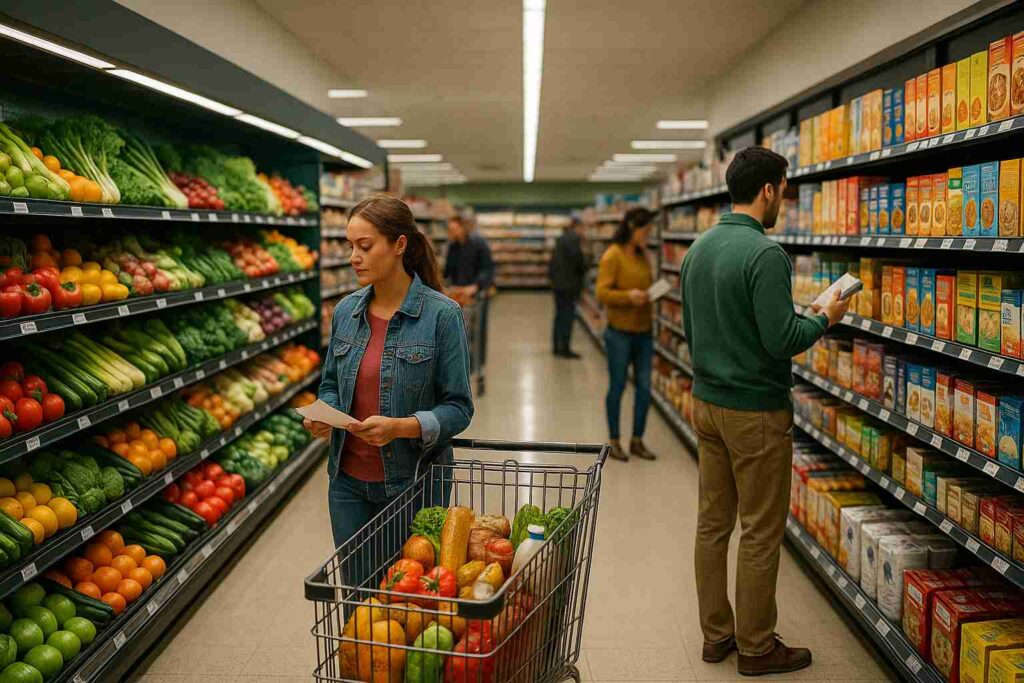
Developing smart shopping habits can dramatically influence how much you spend at the store. One effective tactic is creating a weekly meal plan and shopping list before heading out. According to the USDA official food plans, organized lists help avoid impulse buys and reduce food waste.
Another important step is to track local sales flyers and digital coupons. Many retailers provide discounts through their own apps, making it easier to match promotions with your meal plan. Websites like Coupons.com offer a wide range of printable or digital coupons, which can be combined with in-store deals for even bigger savings.
Timing your purchases
Learning when to shop can also play a big role in reducing costs. Supermarkets often mark down perishable items like bakery goods, dairy, and meat late in the day or just before closing. Choosing to shop during these times can help you stock up on essentials at reduced prices. These items can then be frozen or used quickly, cutting down on waste and ensuring meals are prepared at a lower cost.
Seasonality also matters when buying fresh produce. Opting for fruits and vegetables that are in season usually means lower prices and better quality. For example, buying berries in summer is often cheaper than during winter. Platforms such as Seasonal Food Guide can help you discover what’s fresh and affordable in your area, ensuring a balance of variety and savings throughout the year.
Using loyalty programs
Loyalty programs are another excellent way to cut down on expenses. Many major chains like Kroger, Safeway, and Walmart provide exclusive deals to members who sign up for free store cards. These programs often include personalized discounts based on past purchases, giving shoppers access to items they already buy at reduced prices.
Some stores also offer cashback rewards or fuel points when you shop. These incentives create opportunities to save beyond groceries, impacting overall household costs. By staying consistent and choosing one or two programs that fit your shopping habits, you can streamline the process while still enjoying significant financial advantages.
Exploring alternative options
Beyond traditional loyalty cards, apps such as Ibotta and Rakuten allow you to earn cashback on purchases at many grocery stores. These digital platforms are user-friendly and designed to help shoppers recover a portion of their spending. The key is remembering to scan receipts or link accounts to qualify for rewards.
Exploring warehouse clubs like Costco or Sam’s Club may also be worth considering for larger households. While memberships come at a fee, buying in bulk often reduces the per-unit cost of staple items, resulting in substantial savings over time. Pairing these purchases with proper storage solutions ensures items remain fresh and usable.
Maximizing every grocery trip
While food costs may continue to fluctuate, adopting practical strategies for saving money in supermarkets in the US can ease financial strain and create a more sustainable shopping routine. By focusing on planning, using loyalty benefits, and timing purchases strategically, households can achieve meaningful savings without lowering their standards.
The true value lies in consistency. Even small habits like checking weekly flyers or using cashback apps lead to measurable results over months. As the financial landscape shifts, shoppers who stay proactive and resourceful will find themselves better equipped to handle price increases.