

Strategies for reducing car and home insurance costs in 2025 have become a top concern for many families facing rising living expenses. With inflation impacting premiums and insurers adjusting policies, consumers are more motivated than ever to find sustainable ways to save.
The good news is that a mix of negotiation tactics, coverage adjustments, and smarter shopping can lead to meaningful reductions while still maintaining reliable protection. Understanding how insurers calculate rates is the first step to lowering your bills. Factors such as driving history, property location, and even credit score often influence premiums.
Smart ways to manage premiums
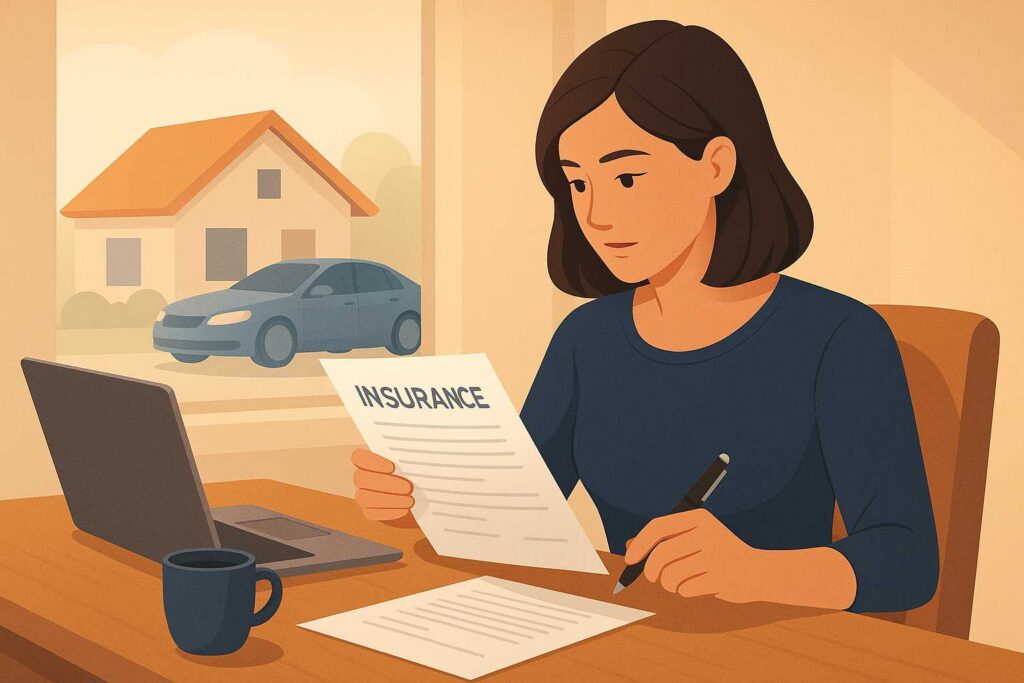
When looking for affordable coverage, one of the most effective approaches is to compare quotes regularly. Many experts recommend shopping around at least once a year, as companies frequently adjust pricing models. Using platforms like Policygenius allows you to quickly evaluate options and ensure you’re not overpaying. Even a small rate reduction can make a significant difference when applied over time.
Another strategy involves adjusting deductibles. While increasing your deductible means you’ll pay more out-of-pocket in the event of a claim, it can also result in lower monthly or annual premiums. This trade-off is particularly useful for those who rarely file claims and maintain strong emergency savings. It’s a balancing act, but one worth considering if lowering ongoing costs is a priority.
Discounts that are often overlooked
Many households miss out on discounts simply because they never ask. Bundling policies, such as combining auto and homeowners coverage, often leads to substantial reductions. Insurers also provide discounts for things like installing home security systems, adding telematics devices to vehicles, or maintaining a clean claims record.
Additionally, lifestyle changes can unlock hidden opportunities. For example, driving fewer miles per year could qualify you for a low-mileage discount. Retirees, students with good grades, or even homeowners who invest in disaster-proofing upgrades may find themselves eligible for lower rates. Staying proactive and regularly reviewing policy benefits helps ensure you’re not leaving money on the table.
Keeping coverage effective while cutting costs
Saving money doesn’t mean stripping away essential protection. Instead, it’s about ensuring you’re only paying for what you truly need. Reviewing your policy every year allows you to spot unnecessary add-ons, such as duplicate roadside assistance or overlapping rental car coverage. By trimming these extras, you maintain robust protection without inflated costs.
It’s equally important to stay aware of regional regulations. Each state or country may have different minimum coverage requirements, so balancing compliance with affordability is key. Using resources like the Insurance Information Institute can provide reliable insights into what coverage levels make sense for your circumstances.
Long-term financial planning
Insurance should be part of a bigger financial strategy. Building an emergency fund, improving your credit score, and investing in preventative home maintenance can indirectly lower premiums. For example, replacing outdated wiring reduces fire risks, while improving your driving habits keeps your record clean. Both moves signal reliability to insurers, resulting in better rates.
Long-term thinking also means planning for future needs. If you anticipate moving, upgrading your vehicle, or making home renovations, consider how those changes will impact insurance costs. Choosing wisely today can prevent sudden premium spikes tomorrow. Integrating these decisions into broader financial planning ensures your coverage remains cost-effective and practical.
Final thoughts on saving smart
Ultimately, finding strategies for reducing car and home insurance costs in 2025 comes down to being proactive, informed, and strategic. Shopping around, negotiating deductibles, and leveraging discounts can create immediate relief. Meanwhile, long-term planning and policy reviews safeguard you against unnecessary expenses over time.
Rather than seeing insurance as a fixed cost, treat it as a negotiable aspect of your financial life. With the right mix of awareness and action, you can protect both your assets and your budget. The key is to stay engaged, ask questions, and never settle for the first number an insurer presents.