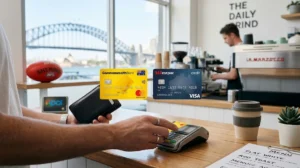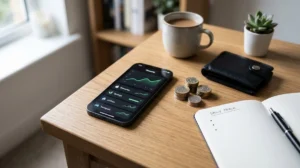

In 2025, Americans are increasingly turning to loyalty programs to stretch their household budgets. Rising prices on food, prescriptions, and daily essentials have made savings tools more important than ever. When used strategically, pharmacy and grocery rewards programs in the U.S. can make a noticeable difference in monthly spending without sacrificing convenience or quality.
The challenge is that many shoppers overlook or underuse these programs, missing opportunities for discounts and cashback. Understanding how they work and how to combine them effectively helps transform routine purchases into long-term savings.
Understanding How Rewards Programs Work

Most pharmacy and grocery rewards programs in the U.S. operate on a points-based system. Customers earn points or cash credits for each purchase, which can later be redeemed for discounts or free products. Some programs even offer personalized promotions based on buying habits, allowing shoppers to save on the items they purchase most often.
However, it’s important to understand the expiration rules and redemption methods. Not all points hold equal value, and some expire within months. Tracking rewards through mobile apps ensures shoppers never miss out on potential savings or special events.
Maximizing Benefits Across Multiple Stores
The key to maximizing pharmacy and grocery rewards programs in the U.S. is combining them with other discounts. Many supermarkets and drugstores allow the use of manufacturer coupons, cashback apps, or digital payment offers alongside loyalty rewards. This stacking strategy increases total savings without requiring extreme couponing.
Additionally, linking rewards accounts to digital wallets or store apps simplifies the redemption process. Automatic tracking ensures users don’t lose out on earned points. The more seamlessly these programs integrate into daily shopping routines, the greater the benefits over time.
Practical Tips for Everyday Shoppers
To make the most out of loyalty programs, consider these practical steps:
- Sign up for multiple rewards programs but focus on the ones you use most often.
- Download each store’s app to access exclusive coupons and track offers in real time.
- Take advantage of double-points days or bonus events for essential purchases.
- Combine reward redemptions with cashback credit cards to multiply savings.
- Regularly review your reward balance and redeem before points expire.
These simple actions ensure consistent benefits without increasing shopping complexity. Smart planning and consistency are the true keys to maximizing results.
Pros and Cons of Rewards Programs
| Pros | Cons |
|---|---|
| Provides consistent savings on everyday essentials | Can encourage unnecessary purchases |
| Offers personalized discounts and perks | Points may expire if unused |
| Easy to join and manage through apps | Some programs require multiple steps to redeem |
| By evaluating both sides, consumers can use rewards systems wisely. When treated as part of a broader financial plan, these programs deliver genuine value. |
The Role of Technology in Rewards Optimization
Technology has revolutionized pharmacy and grocery rewards programs in the U.S.. Artificial intelligence now helps retailers predict customer preferences and tailor offers. Shoppers can receive digital coupons that match their habits, reducing wasteful spending and improving efficiency.
Apps that consolidate multiple programs into one dashboard are also gaining popularity. They make it easier to compare deals across chains, ensuring shoppers always get the best offer. With data-driven insights and simplified tracking, technology turns loyalty programs into powerful financial tools.
Looking Ahead: Smarter Shopping in 2025
As the cost of living continues to rise, pharmacy and grocery rewards programs in the U.S. will play an even larger role in helping households manage expenses. Loyalty will no longer just be about discounts—it will be about creating personalized, data-backed value for consumers.
By combining digital convenience with mindful shopping, Americans can make every dollar go further. Rewards programs are no longer small perks—they’re essential tools for smarter financial living in 2025 and beyond.